On this page
Birth Control: Your Complete Guide to Pills, Patches, and Rings
Choosing birth control shouldn't be overwhelming. Learn the differences between the daily pill, weekly patch, and monthly ring—and which one our OB-GYNs might recommend for your goals.
Birth Control: Your Complete Guide to Pills, Patches, and Rings
Choosing the right birth control can feel overwhelming with so many options available. But it doesn't have to be. Whether you're looking to prevent pregnancy, manage acne, address PCOS symptoms, or skip your period altogether, modern hormonal contraceptives offer safe, effective, and customizable solutions. This guide breaks down everything you need to know about the three most popular prescription methods: the daily pill, the weekly patch, and the monthly ring—all available through Herexa Health's Florida and New York licensed OB-GYN telehealth service.
Key Takeaway
All three methods—the pill, patch, and ring—are combined hormonal contraceptives containing estrogen and progestin. They work through the same triple mechanism: suppressing ovulation, thickening cervical mucus, and thinning the uterine lining. The main difference? How you use them.
The Daily Birth Control Pill
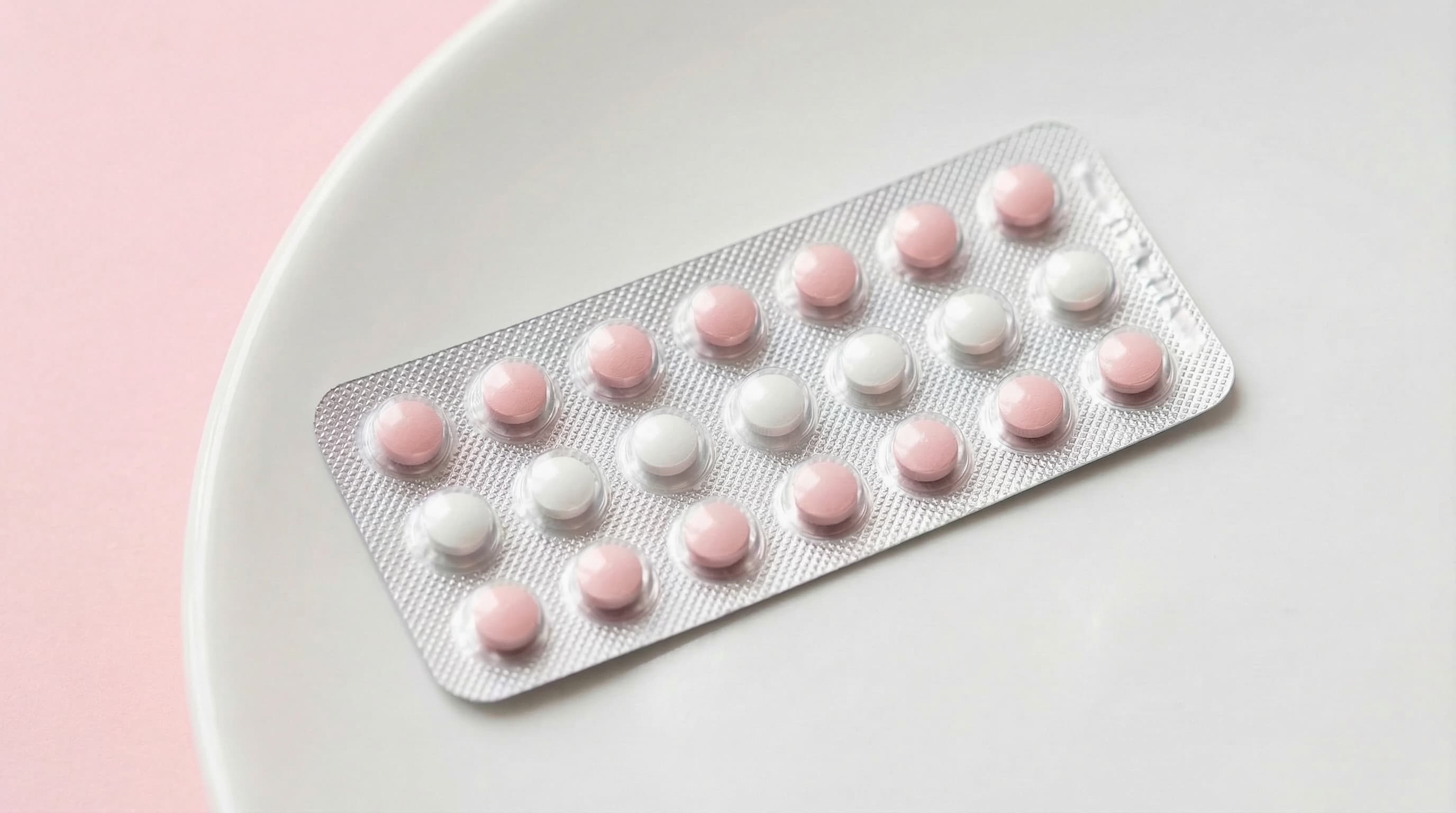
Combined Oral Contraceptive Pills (OCPs) remain the most widely used form of hormonal birth control worldwide. They contain synthetic versions of estrogen (ethinyl estradiol) and a progestin, and are taken once daily at the same time. When used perfectly, they are over 99% effective at preventing pregnancy. With typical real-world use, effectiveness is about 91%.
What makes the pill uniquely versatile is the wide range of formulations available. Your OB-GYN can select a specific pill tailored to your health goals:
- PCOS Support: Pills containing anti-androgenic progestins such as drospirenone help regulate cycles and reduce androgen-driven symptoms like excess hair growth and acne.
- Acne Control: Certain combined oral contraceptives approved for acne treatment reduce breakouts by suppressing ovarian androgen production.
- Low Hormone: For women who want to minimize estrogen exposure, ultra-low dose estrogen contraceptive pills provide effective protection with fewer systemic effects.
- Skip Your Period: extended-cycle or continuous combined oral contraceptives allow you to have only 4 periods per year—or none at all.

Not Sure Which Birth Control Is Right for You?
Our clinical assessment helps match you with the safest, most effective method based on your health history and goals—in under 3 minutes.
The Weekly Patch
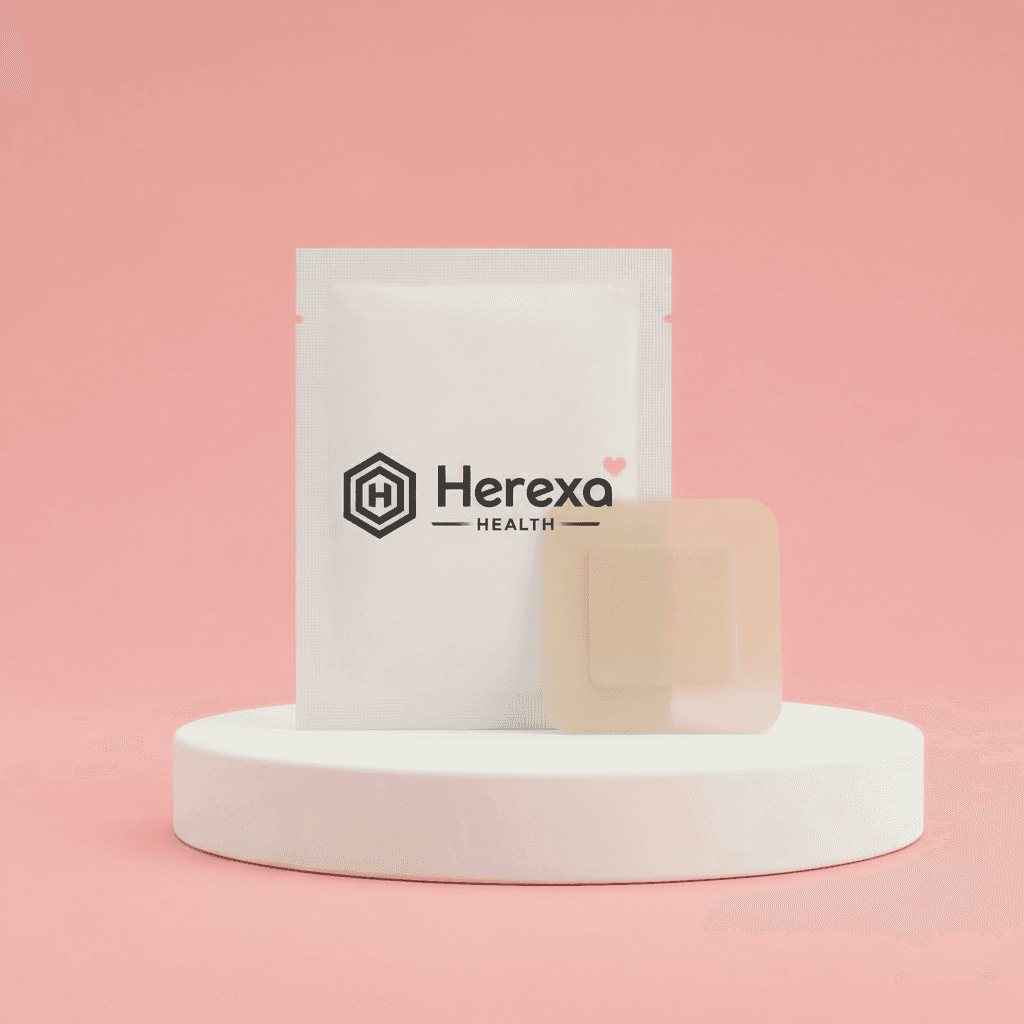
If remembering a daily pill feels like a chore, the a transdermal contraceptive patch offers a compelling alternative. You apply a thin, adhesive patch to your skin once a week for three consecutive weeks, then go patch-free for one week during which your period occurs. The patch delivers a steady dose of norelgestromin and ethinyl estradiol through the skin, maintaining consistent blood levels throughout each 7-day wear period.
The patch is just as effective as the pill when used correctly, though it may deliver slightly higher overall estrogen levels. It is waterproof enough for daily showering, swimming, and exercise. Important note: the patch may be less effective in women weighing over 198 lbs (90 kg), and the same contraindications that apply to combined pills also apply here.
The Monthly Ring
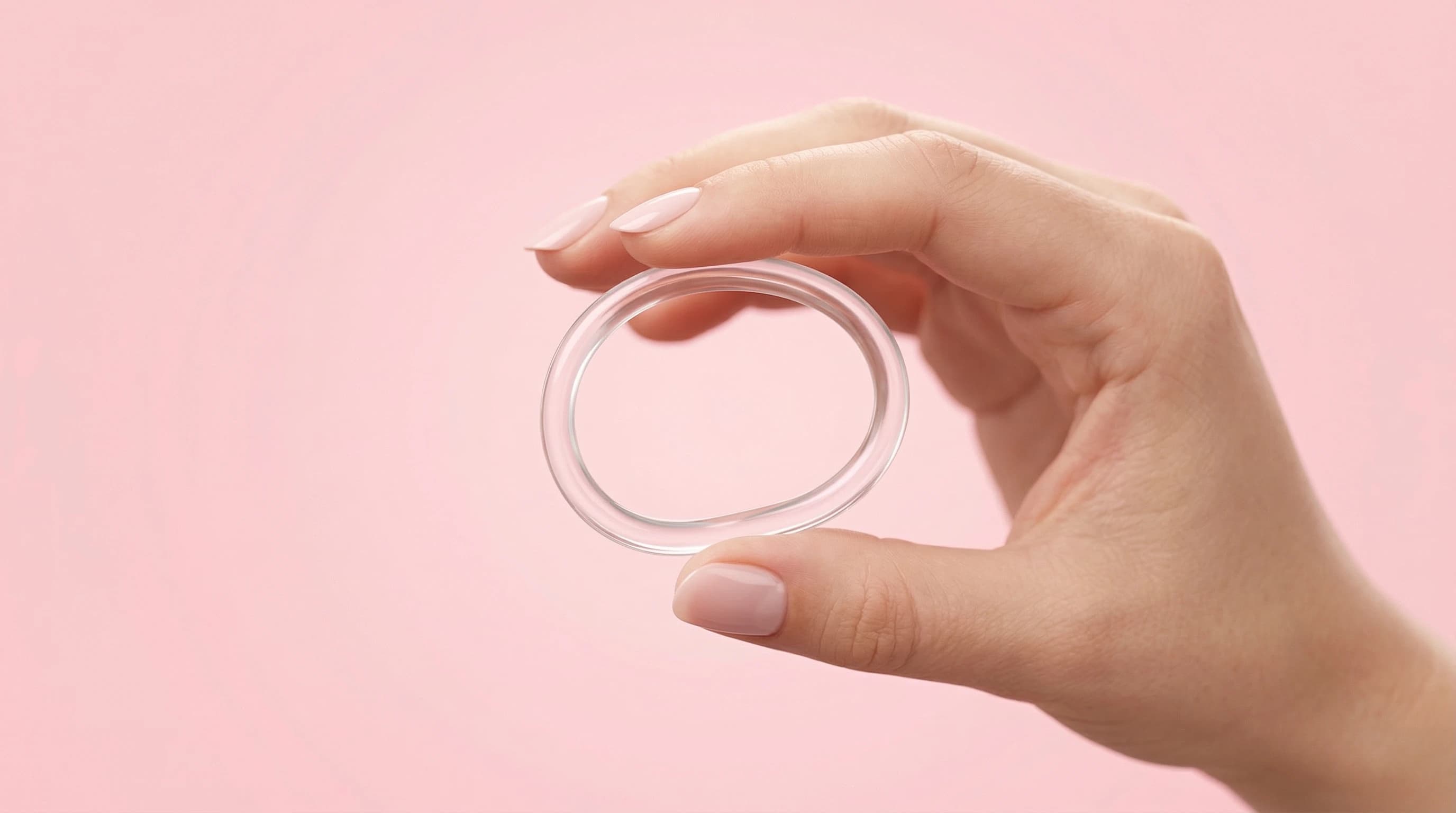
A monthly vaginal contraceptive ring is the ultimate "set it and forget it" option. It's a small, flexible ring that you insert yourself once a month. It releases a continuous low dose of etonogestrel and ethinyl estradiol, which are absorbed through the vaginal lining. You leave it in for three weeks, then remove it for one week. You can also use it continuously—skipping the ring-free week entirely—to safely eliminate your period.
Many women report fewer systemic side effects with the ring compared to oral pills, likely because the hormones are delivered locally at a steady rate rather than passing through the digestive system. The ring stays in place during normal activities, including exercise and intercourse. If removed temporarily (for up to 3 hours), it remains effective.
Pill vs. Patch vs. Ring
Choosing the right treatment starts with understanding the difference.
| Feature | Daily Pill | Weekly Patch |
|---|---|---|
| Frequency | Once daily | Once weekly |
| Effectiveness (typical) | ~91% | ~91% |
| Estrogen Level | Variable by formulation | Slightly higher |
| Best For | Flexible formulations, goal-based care | No daily effort |
| Can Skip Periods? | Yes (continuous use) | Not standard |
Who Should NOT Use Combined Hormonal Contraceptives
While the pill, patch, and ring are safe for the vast majority of women, there are important safety exclusions aligned with ACOG guidelines. You should not use combined hormonal contraceptives if you have:
- A history of blood clots, stroke, or pulmonary embolism
- Migraine headaches with aura (increased stroke risk)
- Active breast cancer or a history of estrogen-sensitive cancers
- Uncontrolled high blood pressure or heart disease
- Active liver disease (hepatitis, cirrhosis)
- You are a smoker over age 35 (significantly increased blood clot risk)
Why Evidence-Based Matching Matters
Learning about your birth control options is the first step. If you're considering hormonal contraception, Herexa Health offers physician-reviewed care designed to help match you with the safest and most effective option.
How to Get Started
Getting your personalized birth control prescription through Herexa Health is simple, private, and fast.
Complete our secure clinical intake answering questions about your health history, medications, and birth control goals.
A Florida and New York licensed OB-GYN reviews your profile and selects the safest, most effective medication for you.
Your electronic prescription is sent to your preferred local pharmacy for same-day pickup.
Your body, your choice, your terms. At Herexa Health, we believe every woman deserves access to expert-guided birth control without the barriers of traditional healthcare. Our board-certified OB-GYNs are here to match you with a method that fits your lifestyle, health history, and personal goals—privately, quickly, and on your schedule.
Which method is most effective?
Can I switch between birth control methods?
Ready to Get Care Today?
Answer a few private questions to see if treatment is right for you. Fast, respectful care — reviewed by a licensed OB-GYN.